Nurturing Your Child's Growth at Little TrailBlazers
At Little TrailBlazers, we believe that every child has the potential to thrive and grow in a nurturing environment. As parents, caregivers, and educators, it is our responsibility to provide the right support and resources to help children develop their skills, confidence, and creativity. In this blog post, we will explore various strategies and practices that can foster your child's growth, ensuring they flourish both academically and socially.

Understanding Child Development
Child development is a complex process that encompasses physical, emotional, social, and cognitive growth. Understanding these stages can help you tailor your approach to meet your child's unique needs.
Physical Development
Physical development involves the growth of the body and the ability to control movements. This includes:
Gross Motor Skills: These are large movements like running, jumping, and climbing. Activities such as outdoor play and sports can enhance these skills.
Fine Motor Skills: These involve smaller movements, such as writing, drawing, and using scissors. Encourage activities like crafting or playing with building blocks to strengthen these skills.
Emotional and Social Development
Emotional and social development is crucial for building relationships and understanding feelings. Key aspects include:
Self-Regulation: Teaching children to manage their emotions and behaviors is essential. Techniques like deep breathing and mindfulness can be beneficial.
Social Skills: Encourage playdates and group activities to help children learn to share, cooperate, and resolve conflicts.
Cognitive Development
Cognitive development refers to the growth of thinking and understanding. This can be supported through:
Language Skills: Reading to your child daily can enhance vocabulary and comprehension. Engage them in conversations to encourage language development.
Problem-Solving: Provide puzzles and games that challenge your child's thinking and encourage them to find solutions independently.
Creating a Nurturing Environment
A nurturing environment is vital for your child's growth. Here are some ways to create a supportive space at home and in educational settings.
Safe and Stimulating Spaces
Ensure that your child's environment is both safe and stimulating. This includes:
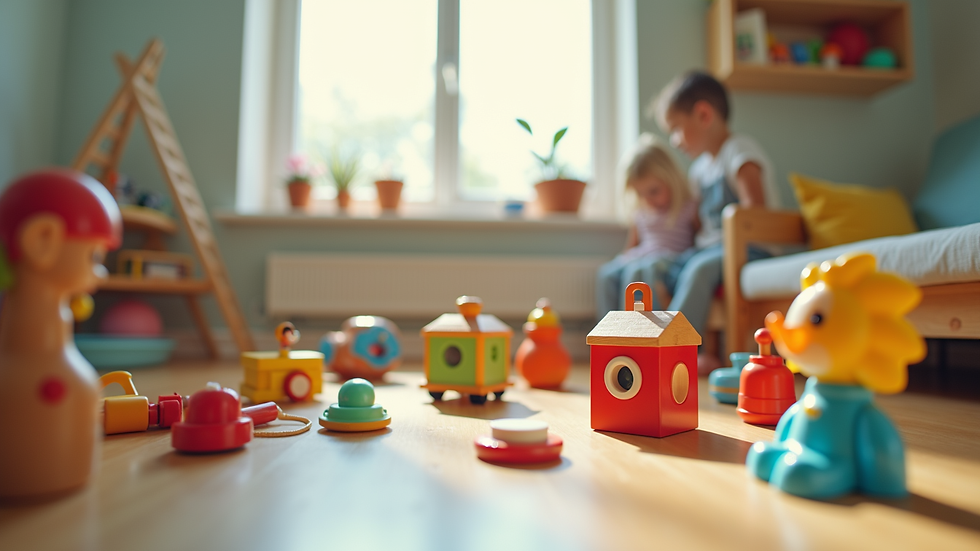
Safe Play Areas: Designate areas where children can play freely without hazards. Use soft mats and age-appropriate toys.
Learning Zones: Create spaces for different activities, such as reading corners, art stations, and science exploration areas.
Encouraging Exploration
Children learn best through exploration and hands-on experiences. Encourage this by:
Outdoor Activities: Nature walks, gardening, and outdoor games can stimulate curiosity and promote physical health.
Creative Play: Provide materials for art, music, and imaginative play. This fosters creativity and self-expression.
Supporting Learning and Development
Supporting your child's learning involves active participation and encouragement. Here are some effective strategies:
Engage in Learning Activities
Participate in activities that promote learning, such as:
Reading Together: Choose books that interest your child and discuss the stories to enhance comprehension.
Educational Games: Use board games and apps that focus on math, language, and critical thinking skills.
Foster Independence
Encouraging independence helps children build confidence and self-esteem. You can do this by:
Allowing Choices: Let your child make decisions about their activities, such as choosing what to wear or what to play.
Encouraging Responsibility: Assign age-appropriate chores to teach accountability and the value of contributing to the household.
Building Strong Relationships
Strong relationships with caregivers and peers are essential for emotional well-being. Here are ways to nurture these connections:
Open Communication
Foster open lines of communication with your child by:
Active Listening: Show genuine interest in what your child has to say. This builds trust and encourages them to express their feelings.
Positive Reinforcement: Acknowledge your child's efforts and achievements, no matter how small. This boosts their confidence and motivation.
Encourage Friendships
Help your child develop social skills and friendships by:
Organizing Playdates: Arrange opportunities for your child to interact with peers, helping them learn to navigate social situations.
Modeling Social Behavior: Demonstrate positive social interactions and conflict resolution in your own relationships.
The Role of Educators
Educators play a crucial role in nurturing children's growth. At Little TrailBlazers, our approach includes:
Individualized Learning Plans
We recognize that each child is unique. Our educators create individualized learning plans that cater to each child's strengths and areas for improvement.
Collaborative Learning
Encouraging collaboration among children fosters teamwork and communication skills. We implement group projects and activities that require cooperation and shared problem-solving.
Involving Parents and Caregivers
Parents and caregivers are integral to a child's development. Here are ways to get involved:
Attend Workshops and Events
Participate in workshops and events organized by Little TrailBlazers. These provide valuable insights into child development and effective parenting strategies.
Volunteer Opportunities
Get involved in your child's educational environment by volunteering. This not only strengthens your connection with your child but also supports the community.
Conclusion
Nurturing your child's growth at Little TrailBlazers involves a collaborative effort between parents, educators, and the community. By understanding child development, creating a supportive environment, and fostering strong relationships, you can help your child thrive. Remember, every small step you take contributes to their overall growth and well-being. Embrace this journey, and watch your child blossom into a confident and capable individual.
As you continue to support your child's development, consider reaching out to educators and fellow parents for shared experiences and advice. Together, we can create a brighter future for our children.

Comments